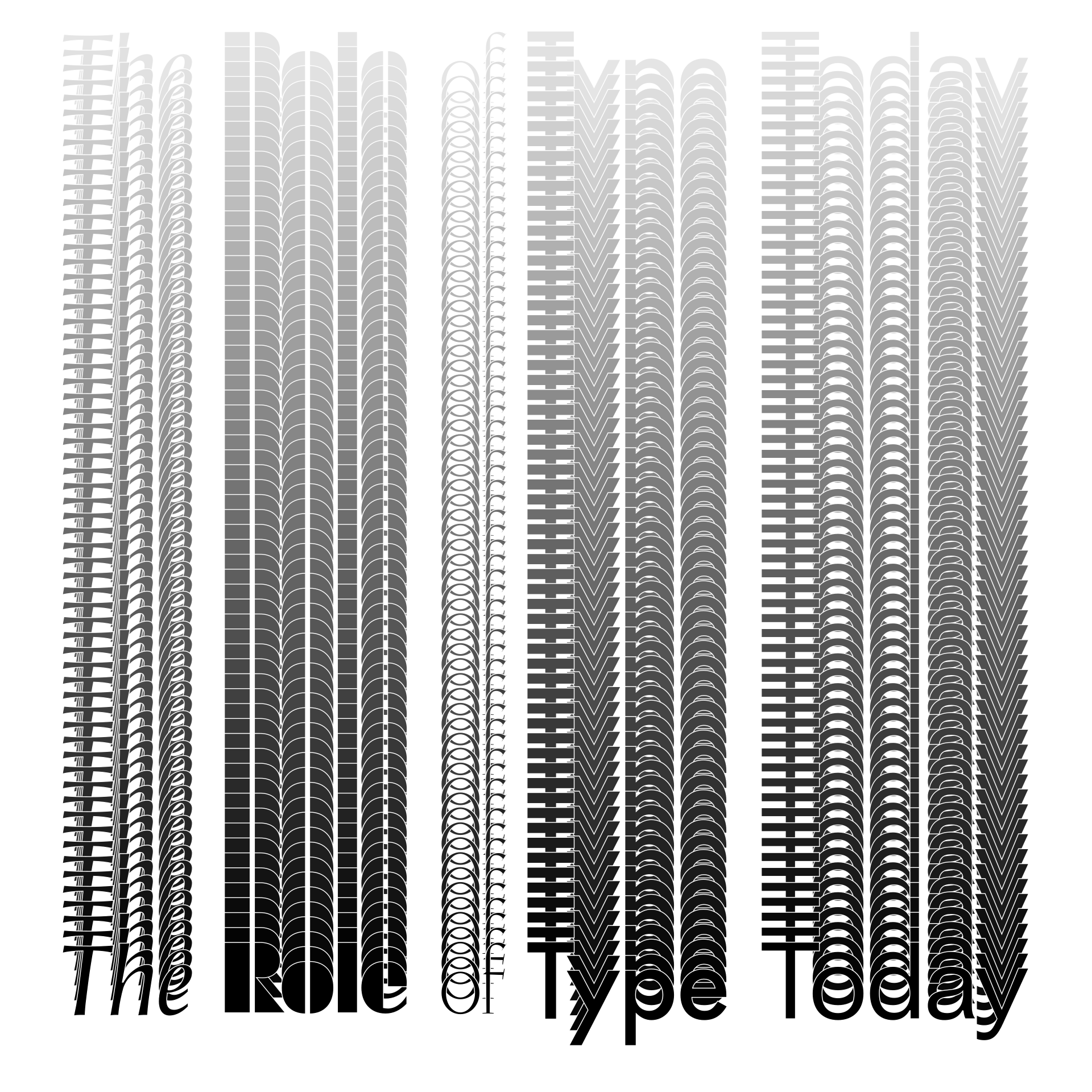
We live surrounded by text. Screens, interfaces, applications, campaigns, publications, navigation systems, motion graphics, signage, social media, products, instructions and physical spaces. Typography accompanies almost every decision we make throughout the day.
Never before have we interacted with so many communication systems at the same time. And precisely because of that, typography has stopped being a secondary element and become one of the most important tools in contemporary communication.
Brands no longer communicate in one place or in one single way. They speak constantly across platforms, devices and different contexts. Within this visual saturation, typography has evolved from a secondary detail into one of the most important tools of contemporary communication. A typeface does not only define how a brand looks. It defines how it speaks. It shapes reading rhythm, the clarity of a system, the way an identity behaves on screen or how an organization maintains consistency over time. It can make an experience feel precise, human, technical, quiet or unexpectedly approachable.
That is the true value of typography: building a recognizable and consistent voice within an environment in constant transformation.
At Bauer Types, we understand typography as a combination of culture, technology and design. Our practice is rooted in a historical legacy deeply connected to twentieth-century type design, while remaining entirely focused on the present: developing typographic tools capable of responding to the contemporary challenges faced by brands, institutions and digital platforms.
We design type for living systems. For brands that evolve, shift across contexts, expand internationally and still need to communicate clearly without losing personality. Because typography is not a visual finish. It is communication infrastructure.
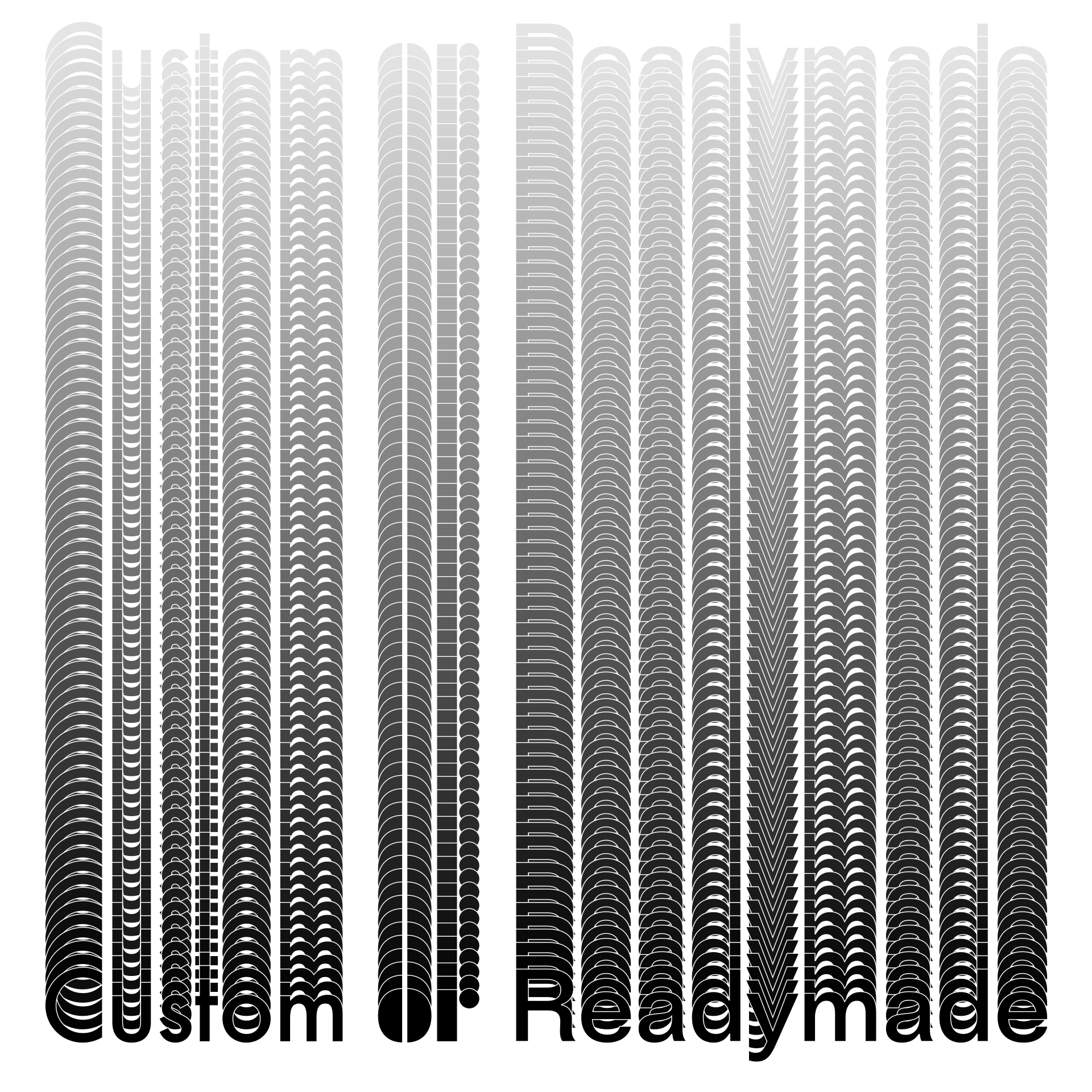
Custom font or Readymade?
Not every brand necessarily needs a custom typeface. In many cases, a carefully selected and thoughtfully implemented readymade font can provide exactly the right balance of functionality, personality and efficiency. Contemporary brands operate as complex systems. They no longer exist in a single place or format, but across interfaces, campaigns, applications, motion graphics, publications, signage and physical experiences. Typography sits at the center of that structure.
But when communication systems become more complex, or when brands require a more distinctive and flexible voice, custom typography allows identities to move beyond generic visual language and build something truly their own. In a context where many identities increasingly begin to look alike, developing custom typographic systems allows brands to build something far deeper than a recognizable aesthetic: it allows them to define a voice.
Contemporary type design is no longer only about drawing characters. It is about building systems capable of adapting across technologies, platforms and behaviors without losing consistency. Every detail matters. Visual tone, legibility, screen performance, motion behavior, responsive environments or the coexistence of different languages and platforms.
At Bauer, we approach each project through a combination of research, visual sensitivity and technical precision. Some identities require rational and highly functional structures. Others need tension, expressiveness or a certain human warmth. In many cases, the goal is not to constantly attract attention, but to generate recognition in a quiet and consistent way. Today, a typeface needs to function across browsers, applications, dynamic interfaces, audiovisual campaigns and printed publications while remaining visually coherent and technically robust. Spacing, kerning, OpenType Features, screen optimization, technical compatibility or variable fonts are often invisible details, yet essential to how a contemporary type system performs.
When typography is well designed, everything feels natural. Information becomes clearer. Interfaces become easier to navigate. Communication becomes more consistent. And that sense of naturalness is often the hardest thing to design.
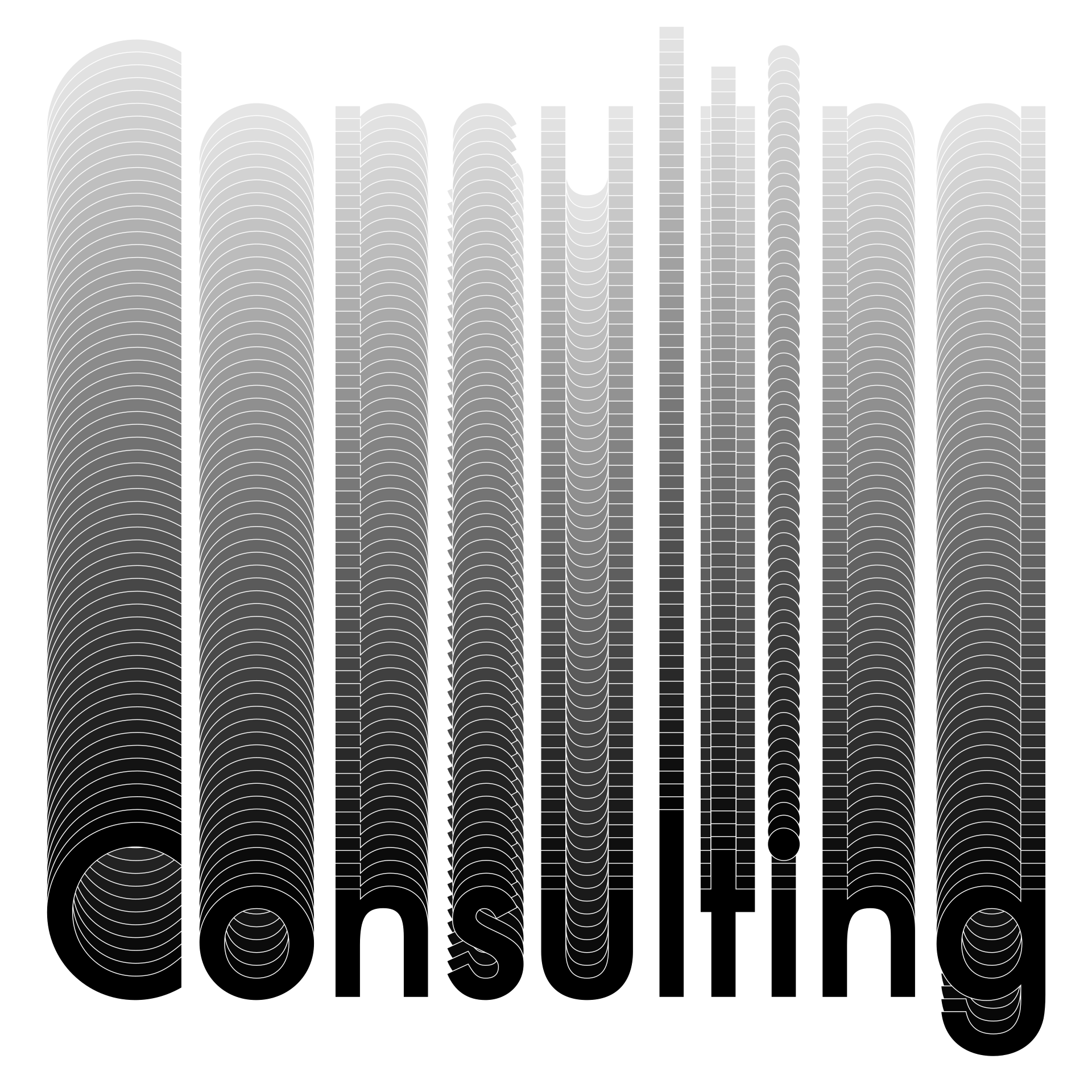
Understanding Before Designing
Not every project requires a new typeface. Very often, the real issue lies in how existing typography is being used. Typographic consulting allows us to analyze visual systems, detect inconsistencies and identify solutions before beginning a full design process. In some cases, small adjustments can completely transform the clarity and perception of a brand.
We work with studios, institutions and internal teams helping them define typographic criteria, optimize libraries, improve legibility, establish hierarchies or correctly implement OpenType technologies and contemporary digital systems. Typography is present across almost every touchpoint within an organization, yet it is rarely analyzed deeply enough. And still, typographic problems directly affect communication: confusing interfaces, inconsistent identities, systems that are difficult to maintain or reading experiences that feel inefficient.
Our approach combines technical analysis with visual direction. We seek to understand how a brand truly functions before proposing solutions. Because designing typography also means designing behaviour.
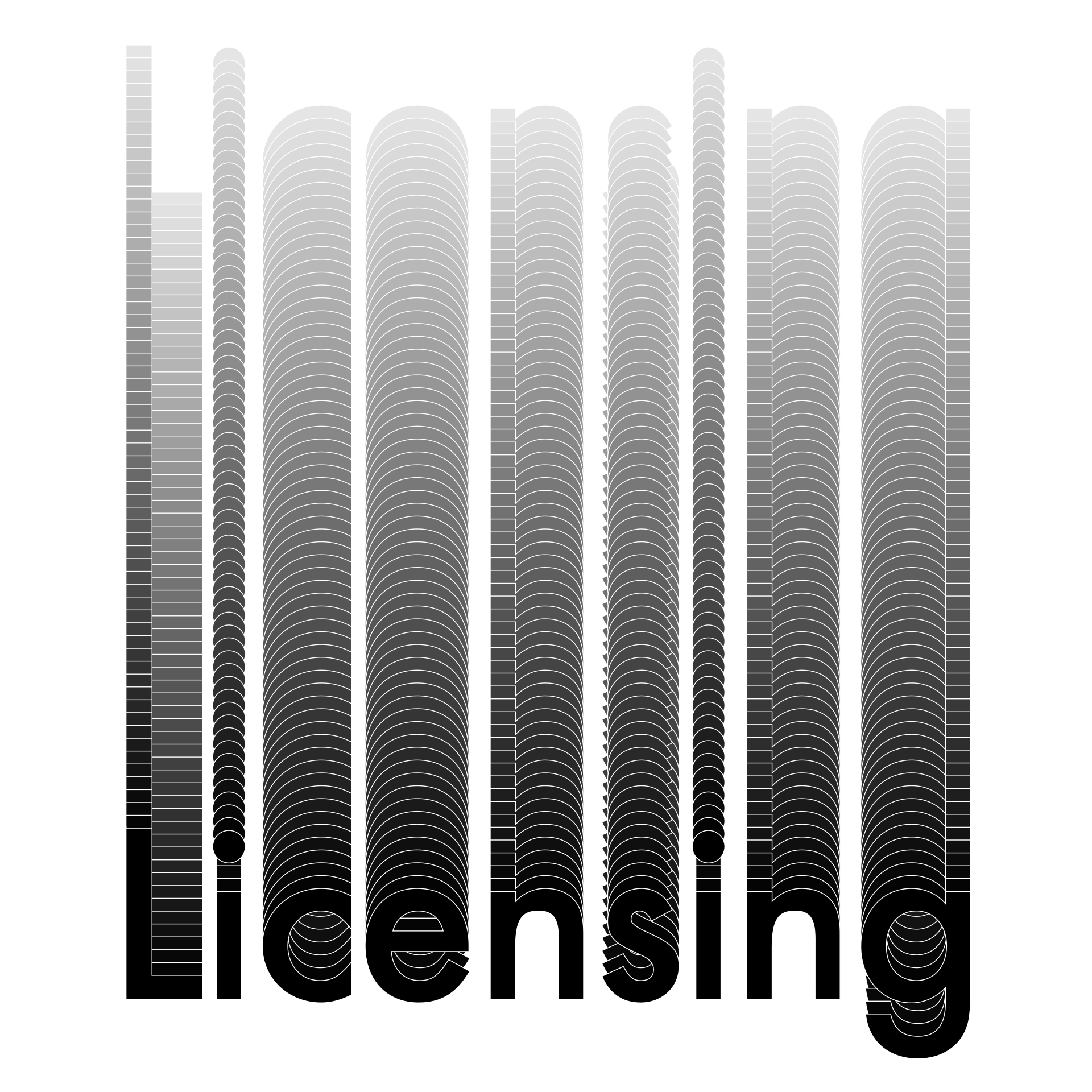
Clear, Flexible and Continuous Licensing
Typographic licensing is often perceived purely as a legal matter. For us, it is part of the system design itself. Every project has different needs: growing companies, digital platforms, international teams, editorial publications or temporary campaigns. That is why we work with licensing models that are clear, flexible and adapted to the reality of each client.
We understand licensing as a tool that allows typography to be used consistently and sustainably over time. Our goal is not to restrict the use of fonts, but to help them integrate naturally into real communication systems. Because a typeface only acquires real value when it can be used effectively.
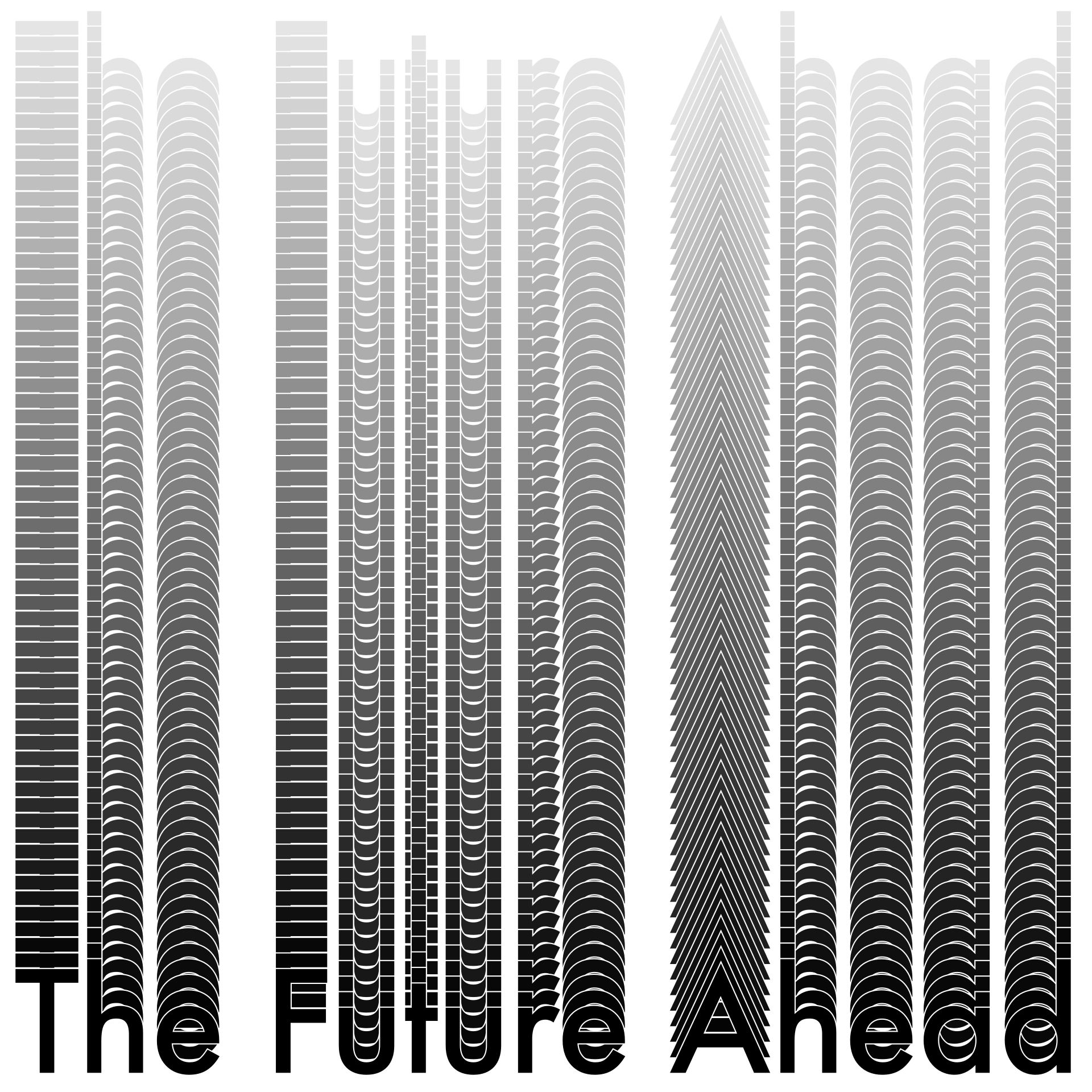
The Future Ahead
The future is uncertain, and technology will continue transforming the way brands communicate. Interfaces will evolve, systems will become more dynamic and visual environments increasingly automated. Typography, however, may remain one of the few disciplines computational models cannot fully replicate without the human eye. Subtle decisions, optical adjustments and visual sensitivity still require human perception and human judgment.
More importantly, typography is not shaped by technology alone. It is shaped by language, culture and human behaviour, and by how people read, interpret, trust and emotionally connect with information across different contexts. That is why type design continues to matter. Not simply as a visual tool, but as a way of creating clarity, recognition and continuity within constantly changing environments.
At Bauer Types, we design typographic systems intended to evolve over time, adaptable enough for contemporary platforms, yet durable enough to remain meaningful beyond them. From metal type to digital systems, typography has continuously adapted to technological change. Artificial intelligence will become part of that evolution too. But beyond every technological shift, communication still depends on something fundamentally human: how we read, interpret and connect with one another.
🟥⬛️⬜️
Vivimos rodeados de texto. Pantallas, interfaces, aplicaciones, campañas, publicaciones, sistemas de navegación, gráficos en movimiento, señalética, redes sociales, productos, instrucciones y espacios físicos. La tipografía acompaña casi cada decisión que tomamos a lo largo del día.
Nunca antes habíamos interactuado con tantos sistemas de comunicación al mismo tiempo. Y precisamente por eso, la tipografía ha dejado de ser un elemento secundario para convertirse en una de las herramientas más importantes de la comunicación contemporánea.
Las marcas ya no se comunican en un solo lugar ni de una sola manera. Hablan constantemente a través de plataformas, dispositivos y contextos diferentes. Dentro de esta saturación visual, la tipografía ha pasado de ser un detalle menor a convertirse en una pieza clave. Una tipografía no solo define cómo se ve una marca. Define cómo habla. Moldea el ritmo de lectura, la claridad de un sistema, el comportamiento de una identidad en pantalla o cómo una organización mantiene la coherencia a lo largo del tiempo. Puede hacer que una experiencia se sienta precisa, humana, técnica, silenciosa o inesperadamente cercana.
Ese es el verdadero valor de la tipografía: construir una voz reconocible y coherente dentro de un entorno en constante transformación.
En Bauer Types entendemos la tipografía como una combinación de cultura, tecnología y diseño. Nuestra práctica está arraigada en un legado histórico profundamente ligado al diseño tipográfico del siglo XX, pero mantenemos la mirada puesta en el presente: desarrollamos herramientas tipográficas capaces de responder a los retos contemporáneos de marcas, instituciones y plataformas digitales.
Diseñamos tipografías para sistemas vivos. Para marcas que evolucionan, cambian de contexto, se expanden internacionalmente y necesitan seguir comunicando con claridad sin perder personalidad. Porque la tipografía no es un acabado visual. Es infraestructura de comunicación.
¿Tipografía a medida o de catálogo?
No todas las marcas necesitan una tipografía personalizada. En muchos casos, una fuente de catálogo bien elegida e implementada puede ofrecer el equilibrio perfecto entre funcionalidad, personalidad y eficiencia. Las marcas contemporáneas funcionan como sistemas complejos. Ya no existen en un solo lugar o formato, sino a través de interfaces, campañas, aplicaciones, motion graphics, publicaciones, señalética y experiencias físicas. La tipografía está en el centro de esa estructura.
Pero cuando los sistemas de comunicación se vuelven más complejos, o cuando una marca necesita una voz más distintiva y flexible, la tipografía a medida permite que las identidades vayan más allá del lenguaje visual genérico y construyan algo realmente propio. En un contexto donde muchas identidades empiezan a parecerse, desarrollar sistemas tipográficos personalizados permite a las marcas construir algo mucho más profundo que una estética reconocible: les permite definir una voz propia.
El diseño tipográfico contemporáneo ya no consiste solo en dibujar letras. Se trata de construir sistemas capaces de adaptarse a diferentes tecnologías, plataformas y comportamientos sin perder coherencia. Cada detalle cuenta: el tono visual, la legibilidad, el rendimiento en pantalla, el comportamiento en movimiento, los entornos responsivos o la convivencia de diferentes idiomas y plataformas.
En Bauer Types abordamos cada proyecto con una combinación de investigación, sensibilidad visual y precisión técnica. Algunas identidades requieren estructuras racionales y altamente funcionales. Otras necesitan tensión, expresividad o cierta calidez humana. En muchos casos, el objetivo no es llamar constantemente la atención, sino generar reconocimiento de una manera sutil y coherente. Hoy en día, una tipografía debe funcionar en navegadores, aplicaciones, interfaces dinámicas, campañas audiovisuales y publicaciones impresas, manteniéndose visualmente coherente y técnicamente robusta. El espaciado, el kerning, las características OpenType, la optimización para pantalla, la compatibilidad técnica o las fuentes variables son detalles a menudo invisibles, pero esenciales para el rendimiento de un sistema tipográfico contemporáneo.
Cuando la tipografía está bien diseñada, todo resulta natural. La información se vuelve más clara. Las interfaces son más fáciles de navegar. La comunicación gana coherencia. Y esa sensación de naturalidad es a menudo lo más difícil de diseñar.
Entender antes de diseñar
No todo proyecto requiere una tipografía nueva. Muchas veces, el problema real está en cómo se está utilizando la tipografía existente. La consultoría tipográfica nos permite analizar sistemas visuales, detectar inconsistencias e identificar soluciones antes de comenzar un proceso de diseño completo. En algunos casos, pequeños ajustes pueden transformar por completo la claridad y la percepción de una marca.
Trabajamos con estudios, instituciones y equipos internos ayudándoles a definir criterios tipográficos, optimizar bibliotecas, mejorar la legibilidad, establecer jerarquías o implementar correctamente tecnologías OpenType y sistemas digitales contemporáneos. La tipografía está presente en casi todos los puntos de contacto de una organización, pero rara vez se analiza con la profundidad necesaria. Y, sin embargo, los problemas tipográficos afectan directamente a la comunicación: interfaces confusas, identidades inconsistentes, sistemas difíciles de mantener o experiencias de lectura que resultan incómodas.
Nuestro enfoque combina el análisis técnico con la dirección visual. Buscamos entender cómo funciona realmente una marca antes de proponer soluciones. Porque diseñar tipografía también significa diseñar comportamiento.
Licencias claras, flexibles y continuas
La concesión de licencias tipográficas a menudo se percibe como un mero asunto legal. Para nosotros, es parte del diseño del sistema en sí. Cada proyecto tiene necesidades diferentes: empresas en crecimiento, plataformas digitales, equipos internacionales, publicaciones editoriales o campañas temporales. Por eso trabajamos con modelos de licencia claros, flexibles y adaptados a la realidad de cada cliente.
Entendemos las licencias como una herramienta que permite usar la tipografía de forma coherente y sostenible en el tiempo. Nuestro objetivo no es restringir el uso de las fuentes, sino ayudar a que se integren de forma natural en sistemas de comunicación reales. Porque una tipografía solo adquiere valor real cuando puede usarse con eficacia.
El futuro que viene
El futuro es incierto, y la tecnología seguirá transformando la forma en que las marcas se comunican. Las interfaces evolucionarán, los sistemas serán más dinámicos y los entornos visuales, cada vez más automatizados. Sin embargo, la tipografía probablemente seguirá siendo una de las pocas disciplinas que los modelos computacionales no pueden replicar completamente sin la mirada humana. Las decisiones sutiles, los ajustes ópticos y la sensibilidad visual todavía requieren percepción y criterio humano.
Más importante aún: la tipografía no está determinada solo por la tecnología. También lo está por el lenguaje, la cultura y el comportamiento humano, y por cómo las personas leen, interpretan, confían y se conectan emocionalmente con la información en diferentes contextos. Por eso el diseño tipográfico sigue importando. No solo como herramienta visual, sino como una forma de crear claridad, reconocimiento y continuidad dentro de entornos en constante cambio.
En Bauer Types diseñamos sistemas tipográficos pensados para evolucionar con el tiempo, lo suficientemente adaptables para las plataformas contemporáneas, pero también lo suficientemente duraderos para seguir teniendo sentido más allá de ellas. Desde el tipo metálico hasta los sistemas digitales, la tipografía se ha adaptado continuamente al cambio tecnológico. La inteligencia artificial también formará parte de esa evolución. Pero más allá de cada cambio tecnológico, la comunicación sigue dependiendo de algo fundamentalmente humano: cómo leemos, interpretamos y nos conectamos los unos con los otros.


