

Georg Hartmann
(1870 - 1954)
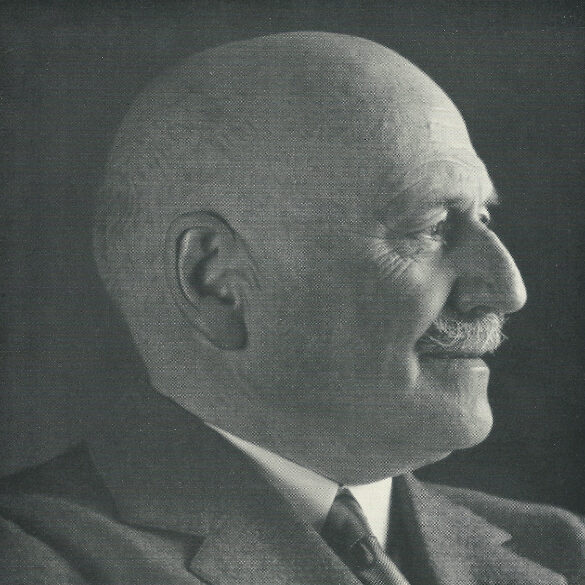
In 1898, Georg Hartmann acquired two type foundries that would become central to the history of modern typography: Bauersche Giesserei in Frankfurt (active from 1837 to 1972) and Fundición Tipográfica Neufville in Barcelona, Spain (1885–1995). Under his leadership, both foundries rose to international prominence through close collaboration with leading artists and typographers of the time, including E. R. Weiss1, Lucian Bernhard2, Elizabeth Friedlaender3, Heinrich Jost4,Imre Reiner5, Oldřich Menhart6, Ernst Schneidler7, and Paul Renner8, creator of Futura font.
In 1927, Hartmann founded a New York branch, the Bauer Type Foundry, later renamed Bauer Alphabets. For more than five decades, this subsidiary introduced typefaces such as Bauer Bodoni, Weiss, Venus, Beton, and Futura to the North American market. It also benefited from local contributions by American designers Howard A. Trafton and William Gillies.
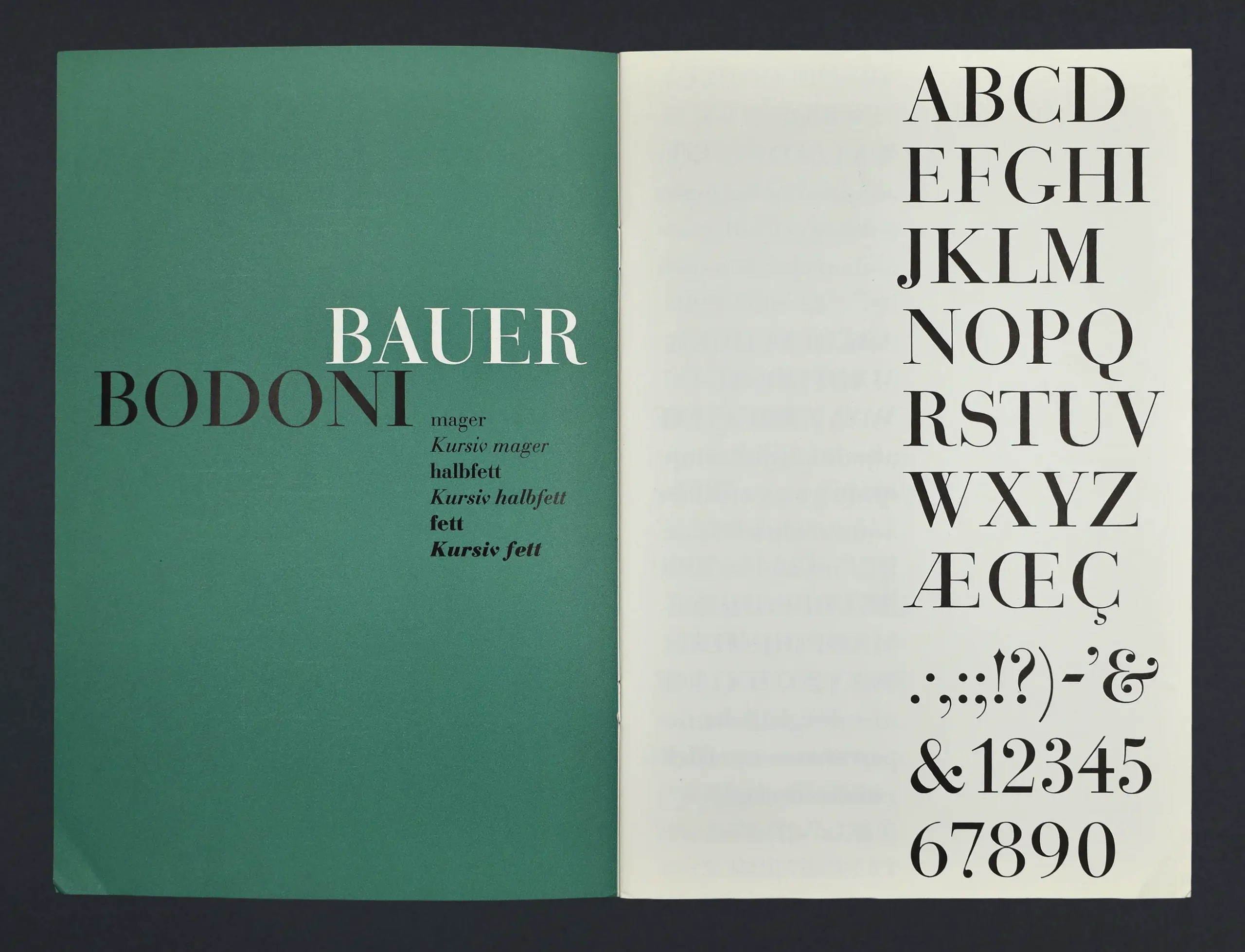
Bauer Bodoni specimen spread
Designed by Heinrich Jost, circa 1926
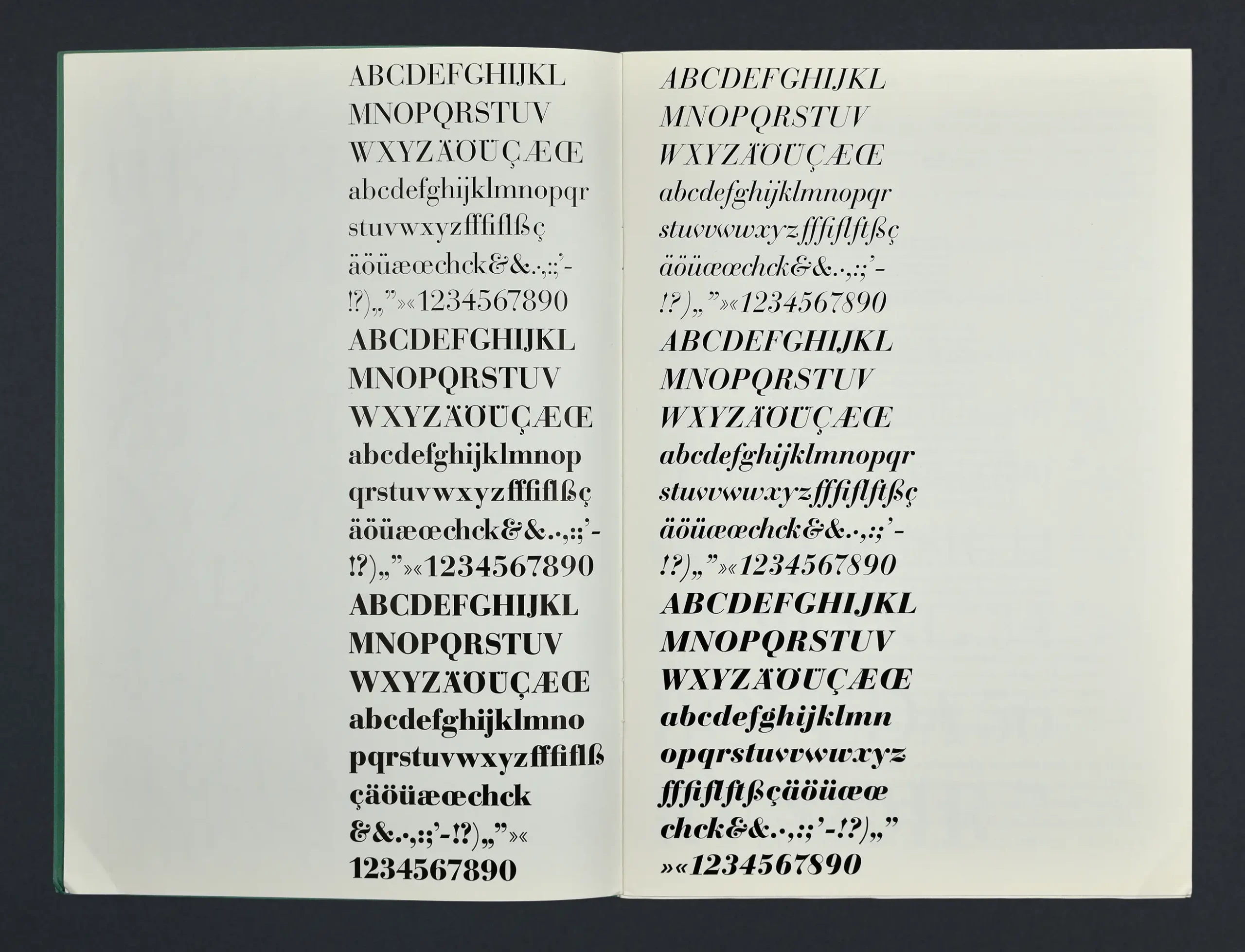
Bauer Bodoni specimen spread
Designed by Heinrich Jost, circa 1926
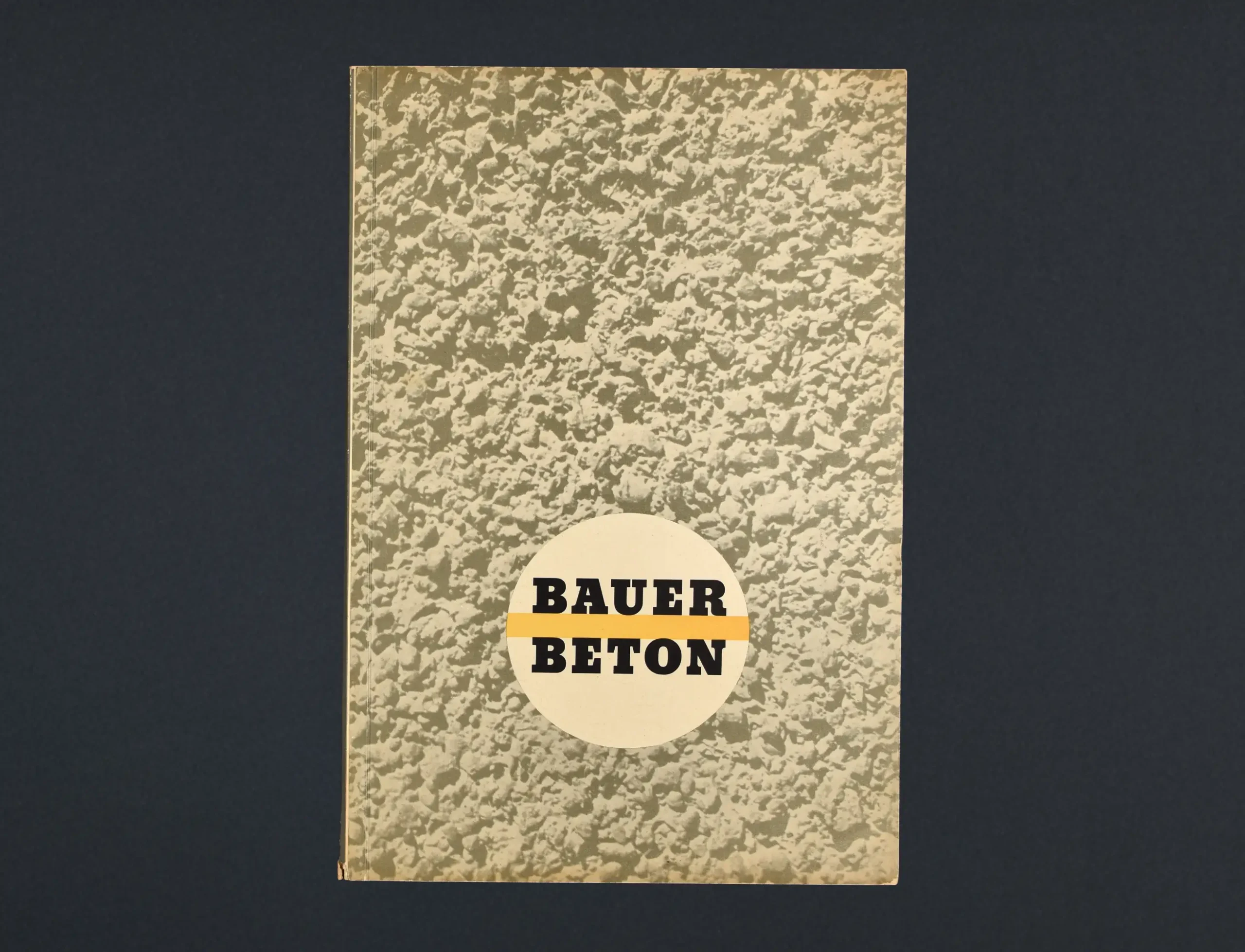
Bauer Beton specimen cover
Designed by Heinrich Jost, 1931
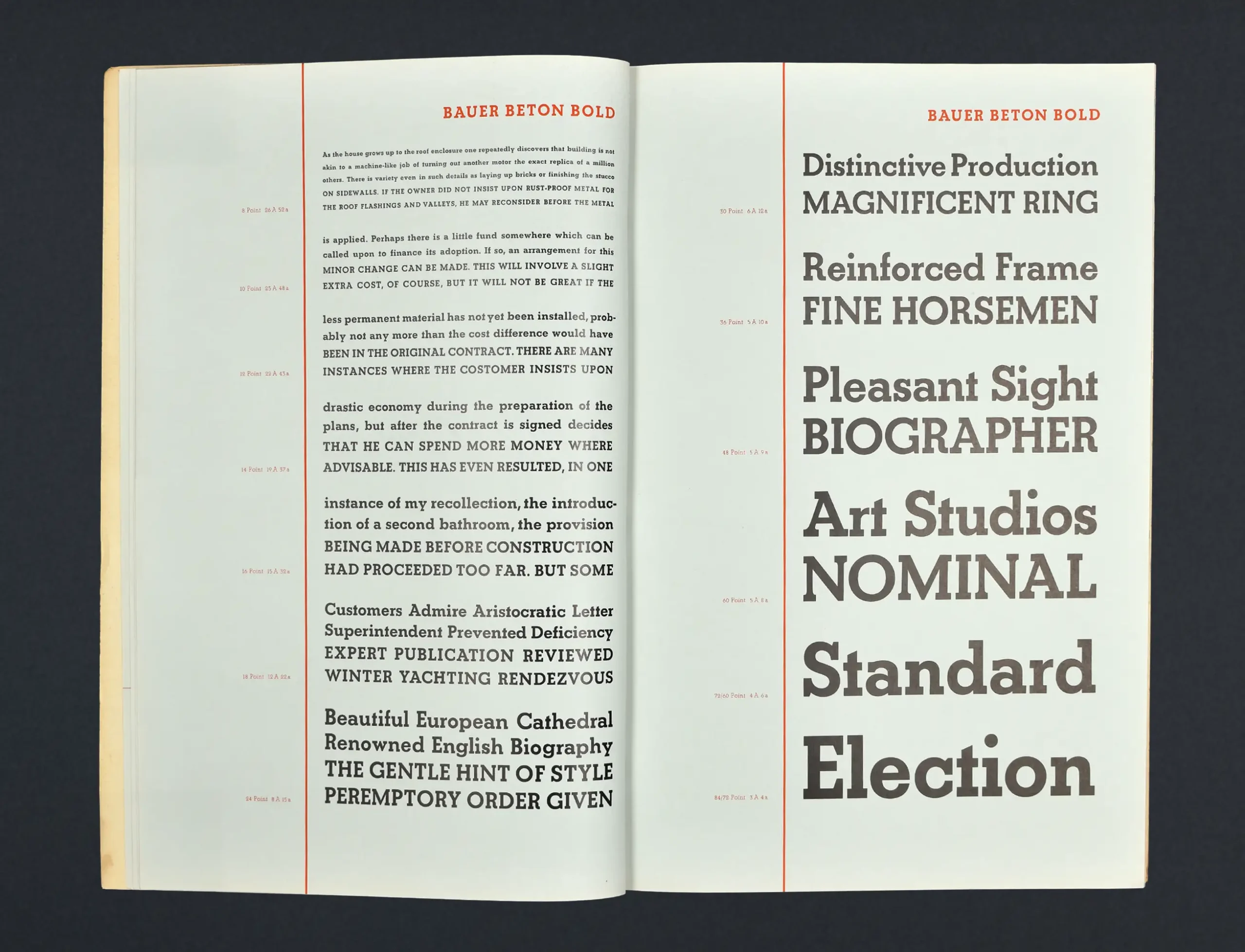
Bauer Beton specimen spread
Designed by Heinrich Jost, 1931
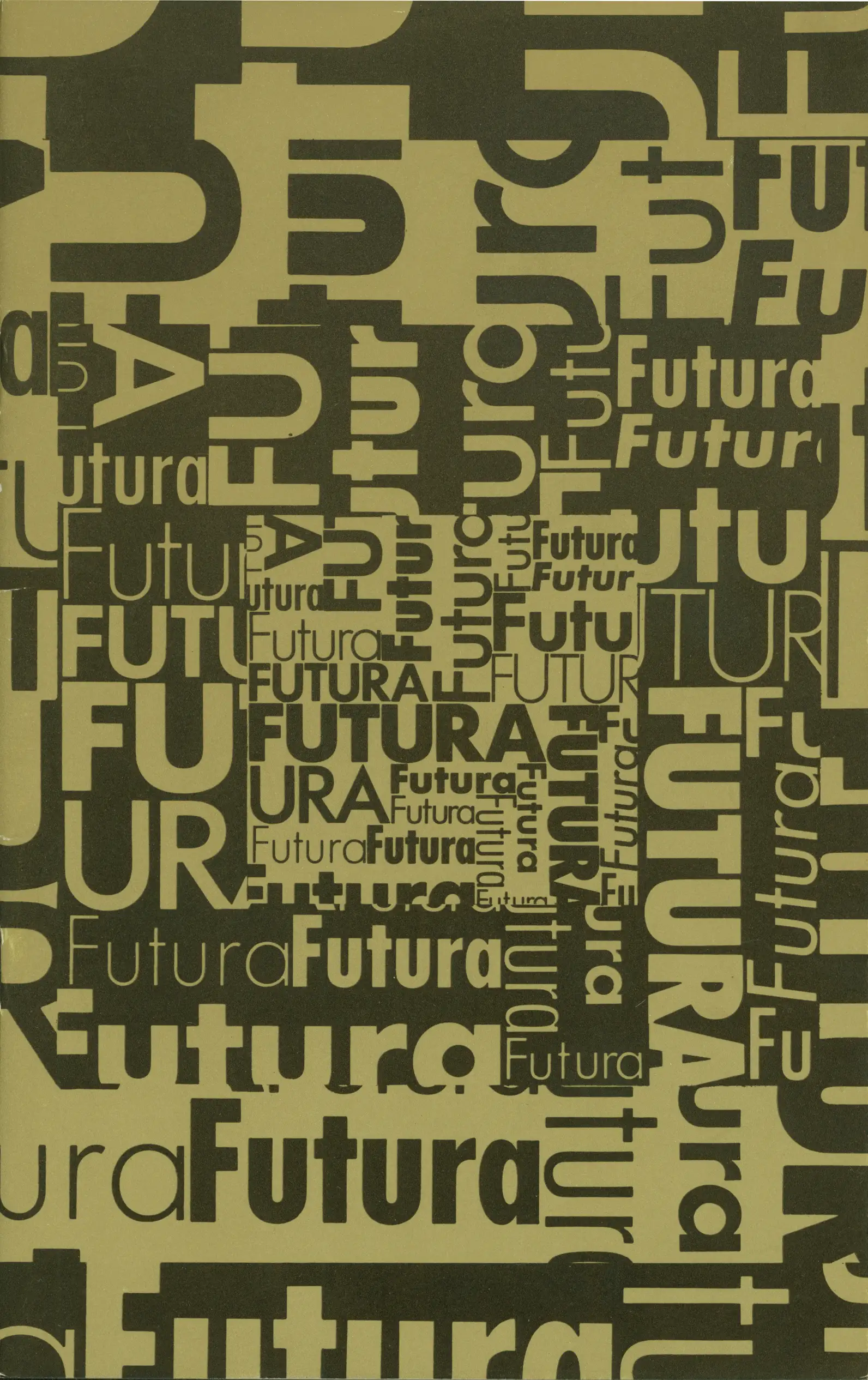
Futura Specimen Cover
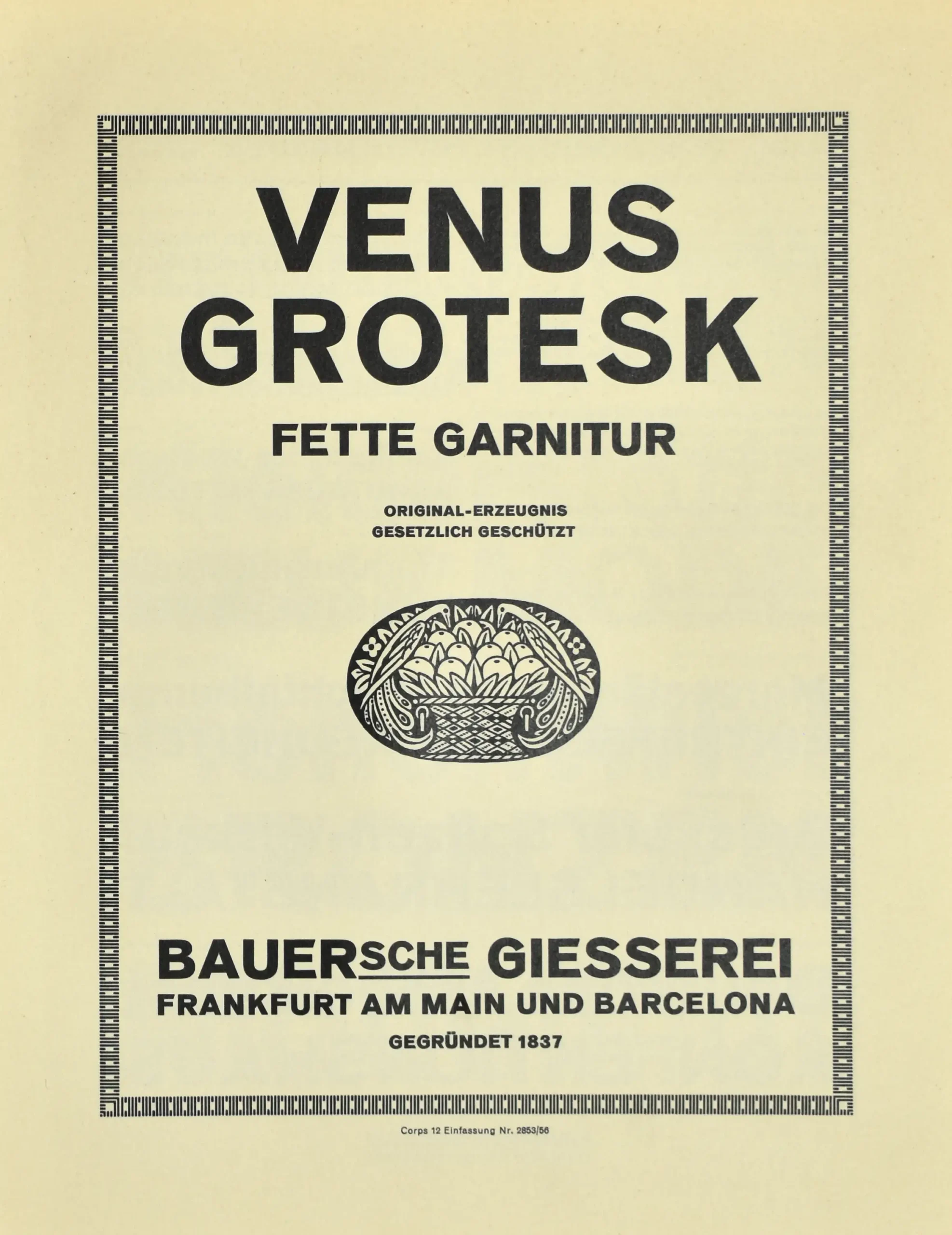
Venus Specimen page
Early 1920s
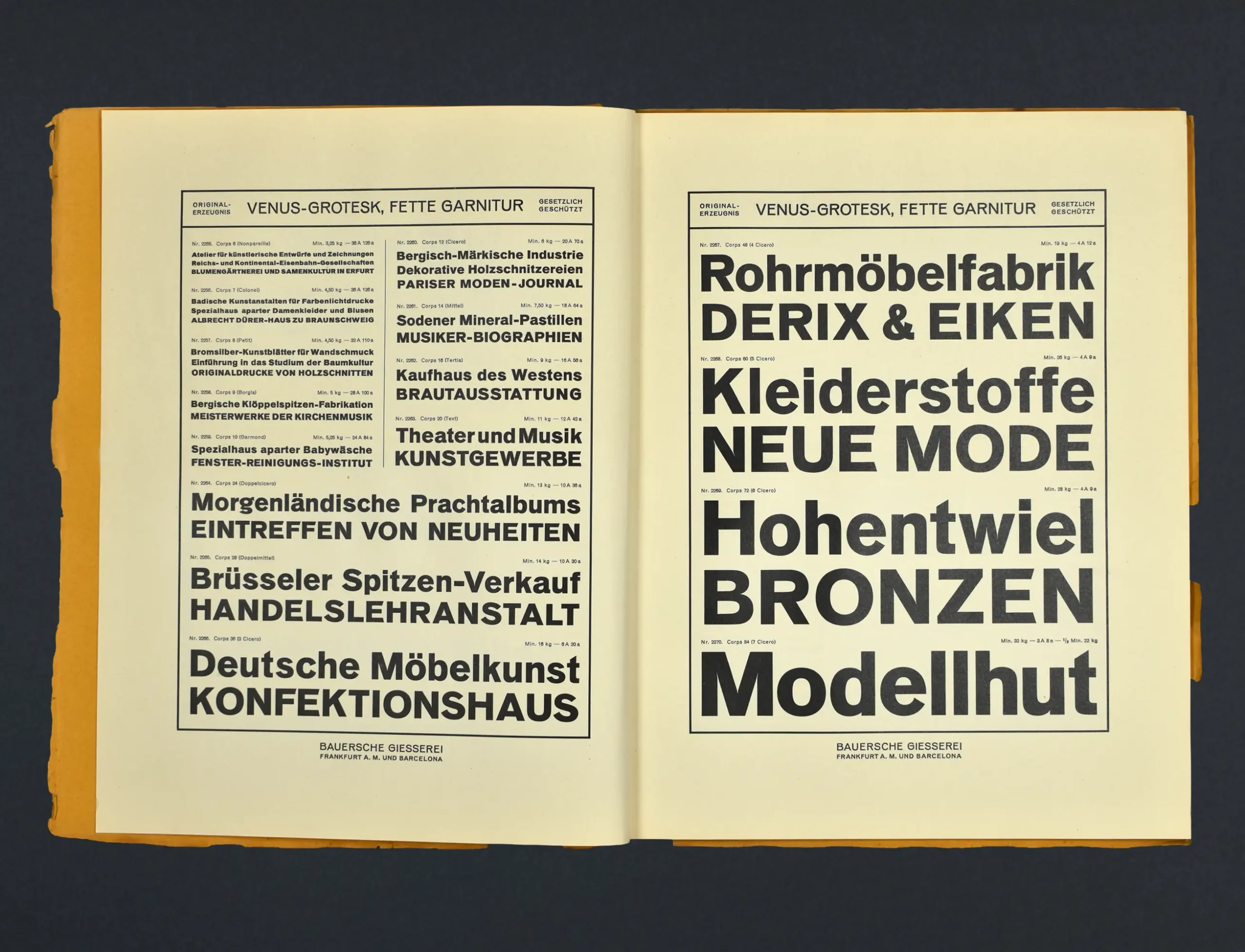
Venus Specimen spread
Early 1920s
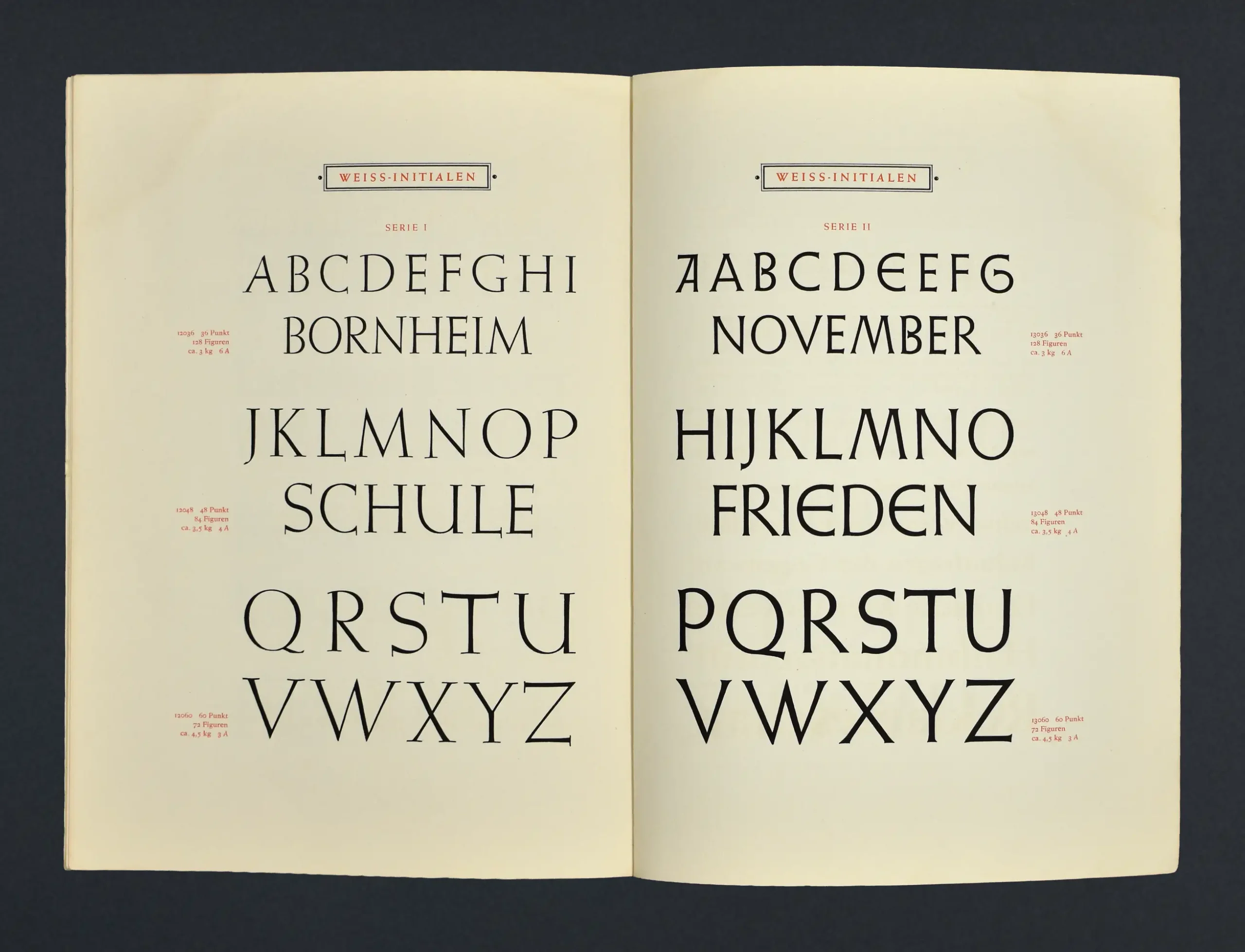
Weiss Specimen spread
1935
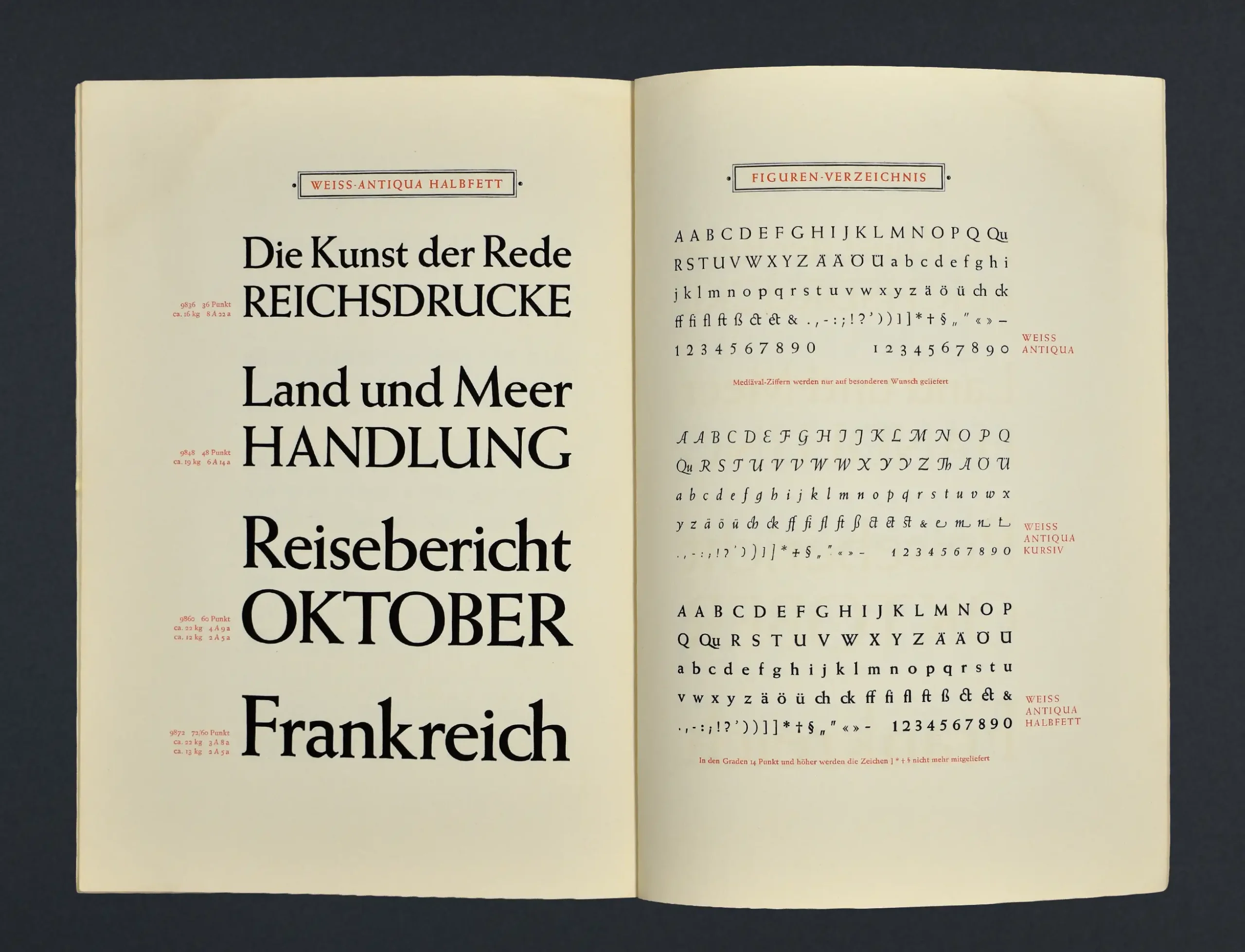
Weiss Specimen spread
1935
Carlos Hartmann
(1899 - 1950)
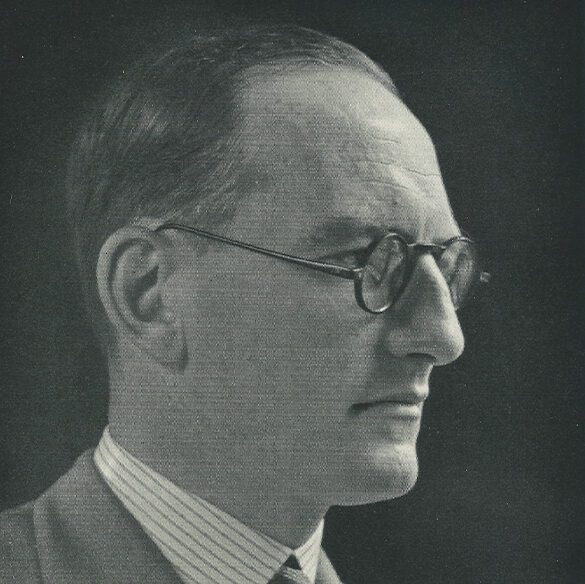
Carlos Hartmann, Georg’s son, took over the direction of the Fundición Tipográfica Neufville in 1922. In addition to consolidating the foundry as the most important in Spain, he diversified its activities by incorporating the distribution of printing machinery from leading manufacturers such as Heidelberg, Roland, Koenig & Bauer, Krause, Hoh & Hahne, and Goebel.
At the time of his death in 1950, the company already had a solid technical and commercial structure. Following Georg Hartmann’s death in 1954, designers Konrad Bauer and Walter Baum9 created new typefaces such as Folio, Imprimatur, and Volta (also known as Fortune in some countries).
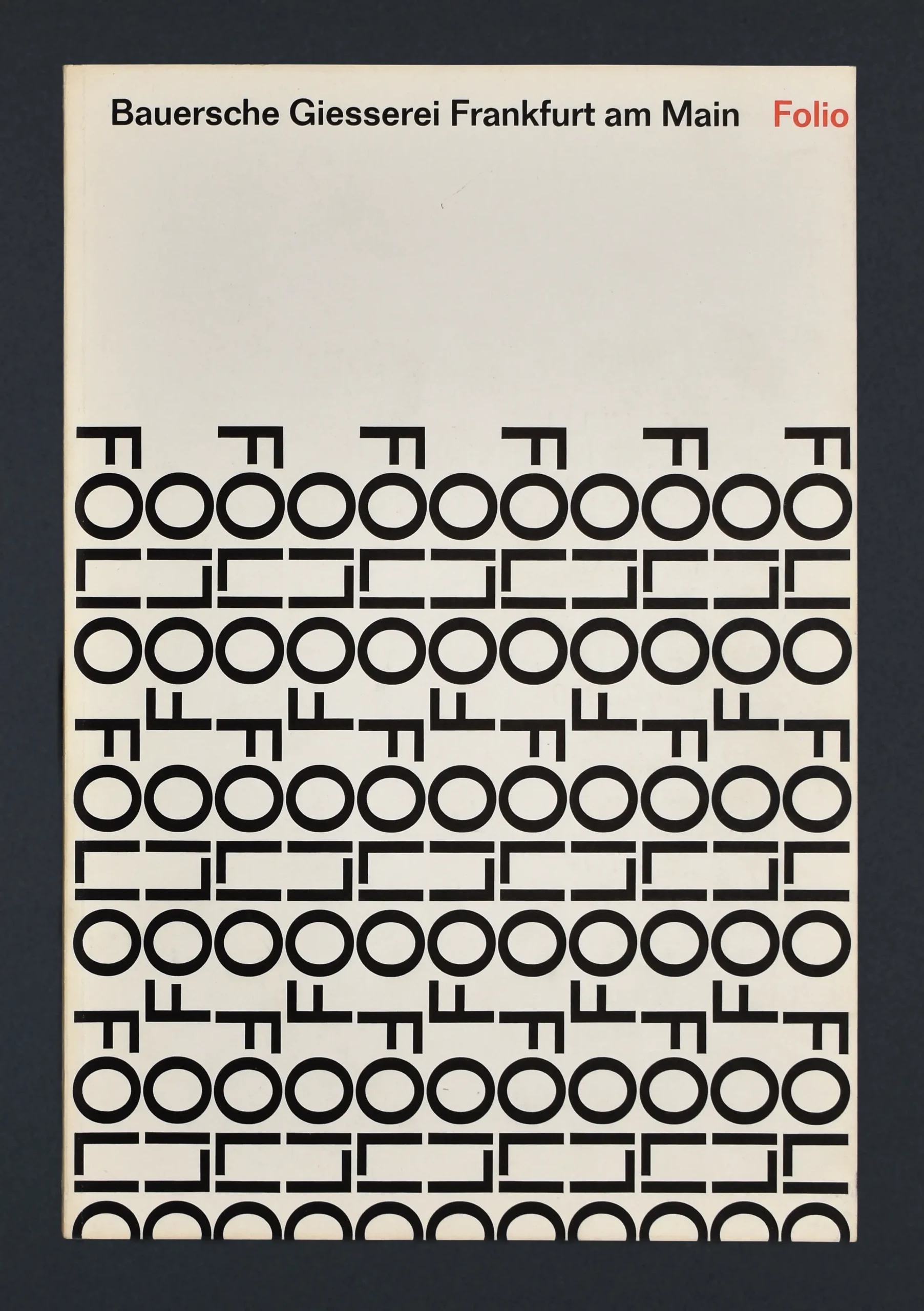
Folio specimen cover
Konrad Bauer & Walter Baum, 1957
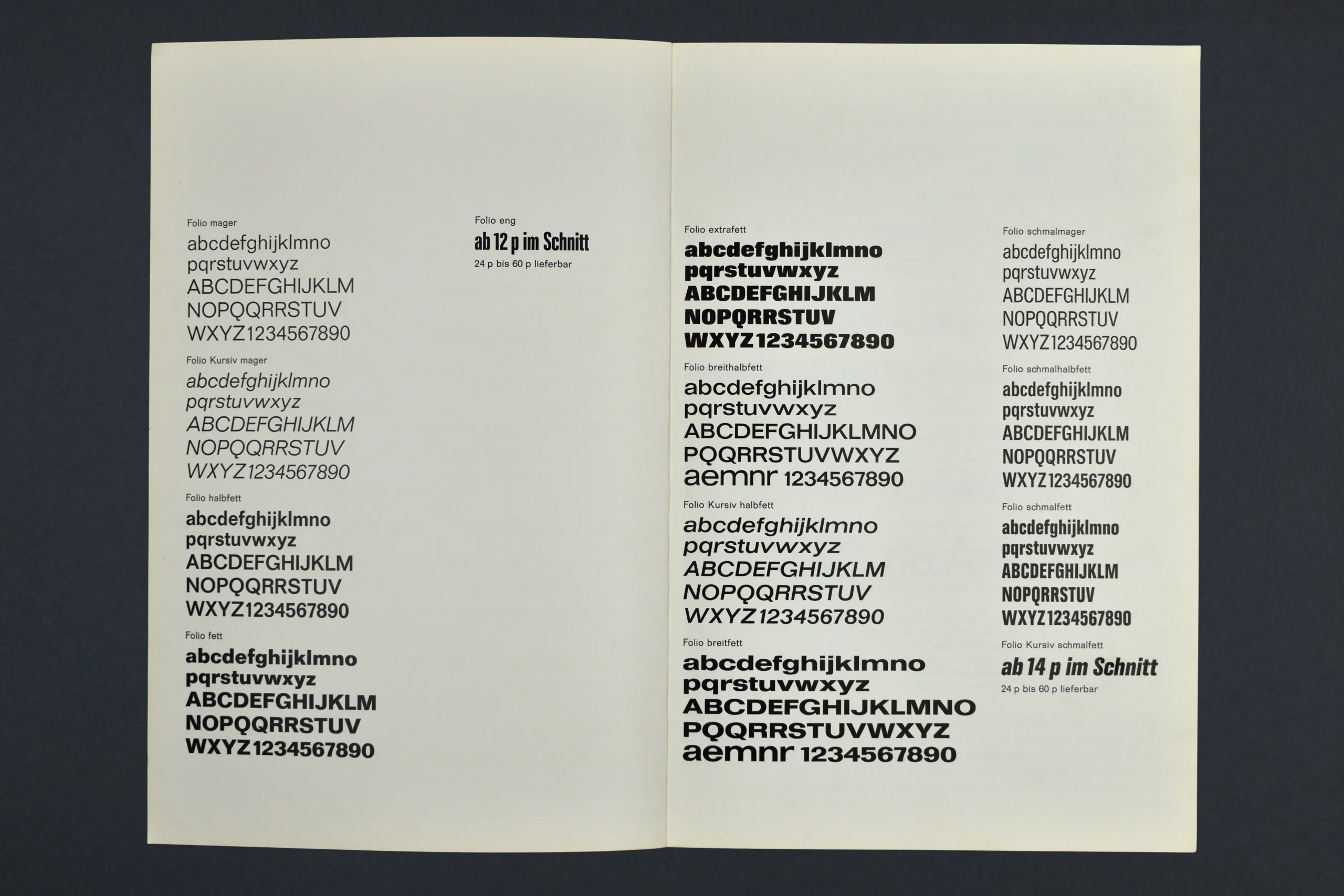
Folio Specimen spread
Konrad Bauer & Walter Baum, 1957
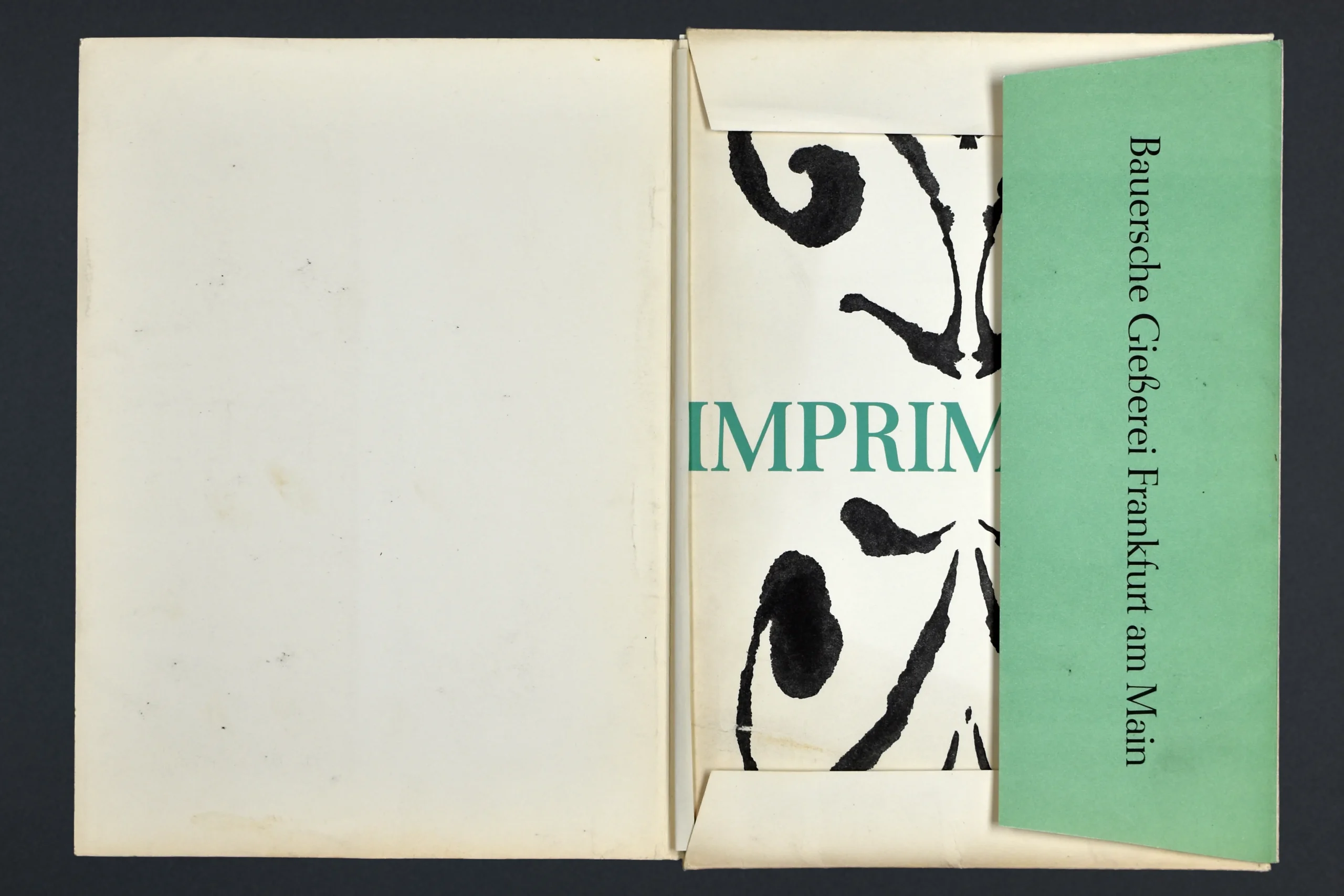
Imprimatur Specimen
Konrad Bauer & Walter Baum, 1952
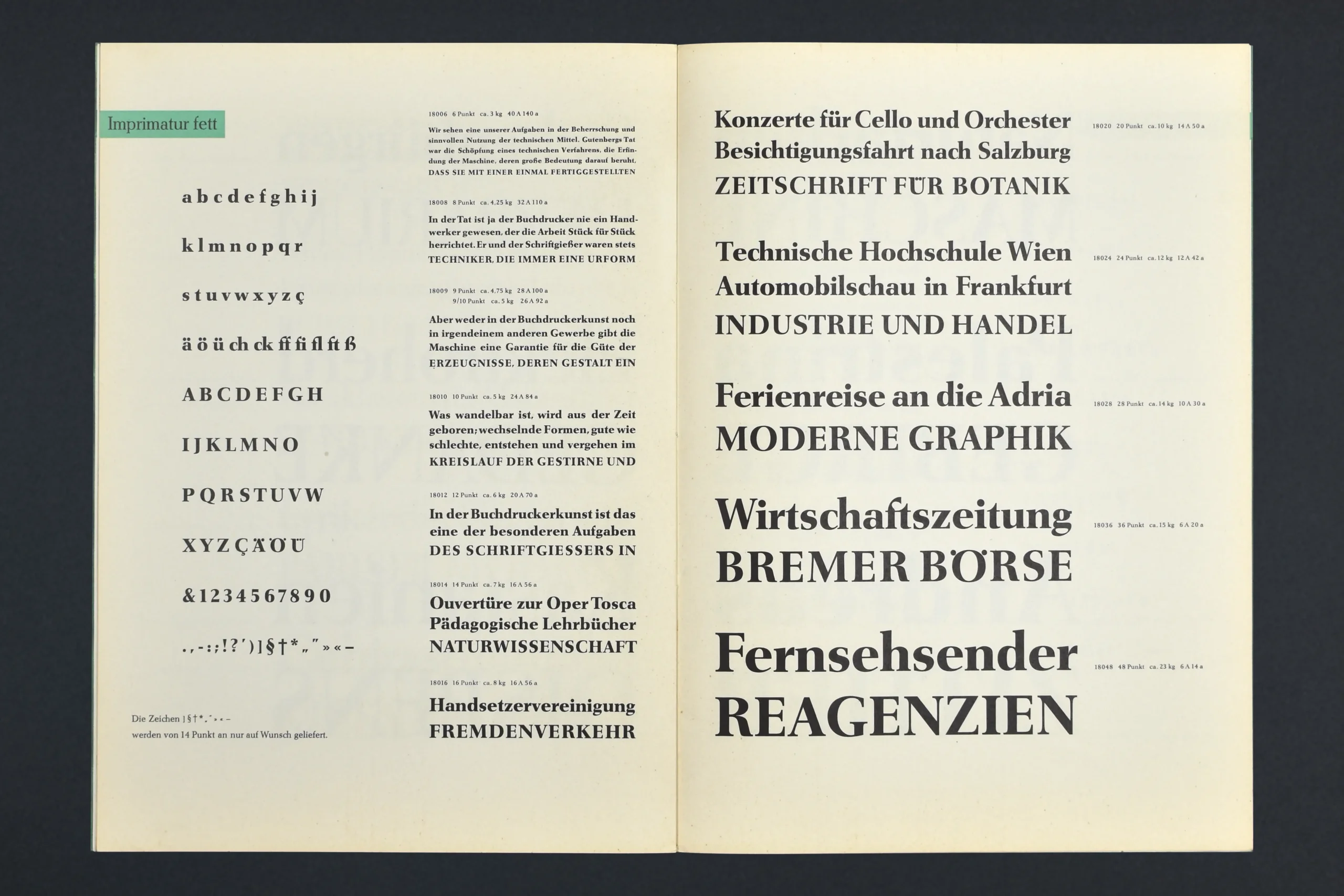
Imprimatur specimen spread
Konrad Bauer & Walter Baum, 1952
Wolfgang Hartmann
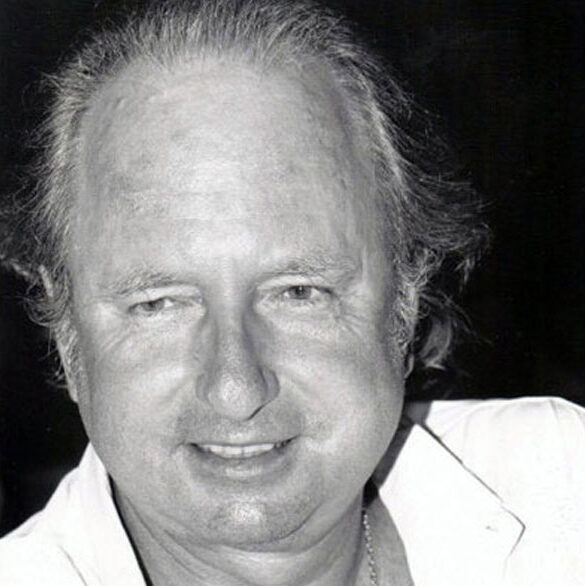
In 1963, Wolfgang Hartmann, grandson of Georg and son of Carlos, took over the direction of Neufville’s type department after five years of training at the Bauersche Giesserei. During his tenure, he pursued a determined expansion strategy through the acquisition of several European type foundries:
- Fundición Tipográfica Nacional10 (Spain, 1971)
- Fonderie Typographique Française11 (France, 1974)
- Ludwig & Mayer12 (Germany, 1985)
- Les Fonderies Réunies de Caractères du Liban13 (1988)
In 1974, he also founded the subsidiary Neufville France, operating in France, Algeria, Morocco, and Tunisia.
Through this expansion, Fundición Tipográfica Neufville acquired a significant typeface catalog that would later prove essential for the digital er, a catalog that continues to grow. Typefaces such as Impressum (1963) by Konrad Bauer and Walter Baum, or Serifa (1968) by Adrian Frutiger14, further expanded its prestigious library.
Fundición Tipográfica Neufville acquired the rights to the typeface library of Bauersche Giesserei in 1972, and transferred these rights to Bauer Types, SL in 1995.
The greatest challenge came with the shift in technological paradigms. In the face of the rise of digital environments and the disappearance of metal type, Neufville—and later Bauer Types—became the only traditional European type foundry to successfully complete the transition to the digital world. It managed to keep its typographic legacy alive by adapting both its catalog and its expertise to a new technical and commercial context.
In 1998, Neufville Digital was created as a joint venture between Bauer Types S.L., a Spanish company succeeding Bauersche Giesserei and Fundición Tipográfica Neufville, and Visualogik, a Dutch-French company.
Neufville Digital benefited from Visualogik’s high professional skills in font production, ensuring great quality and reliability. Meanwhile, Bauer Types S.L. brought long-standing technical and professional experience and contributes part of its typographic catalogue, allowing the original designs to be faithfully replicated.
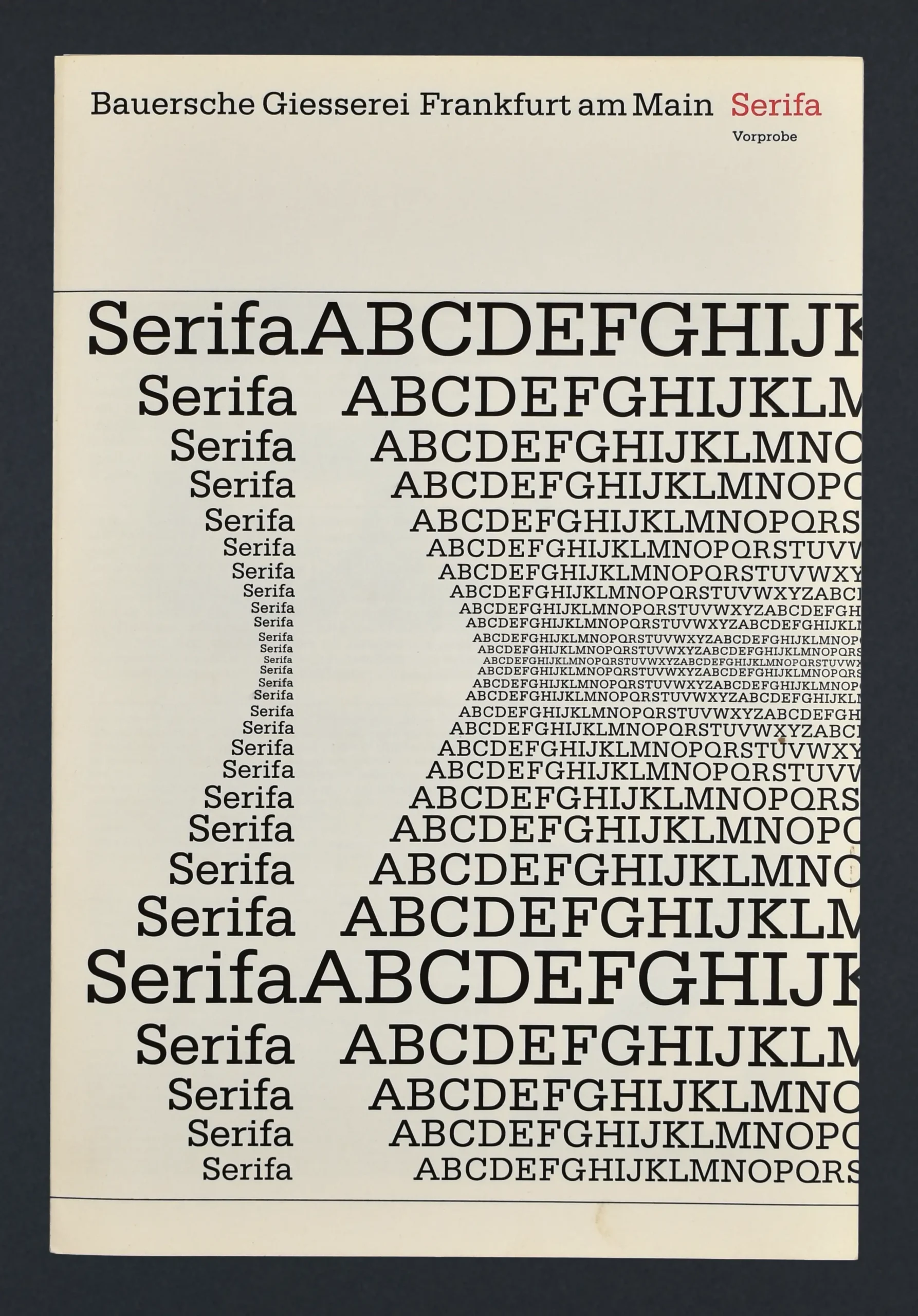
Serifa specimen cover by Adrian Frutiger
Designed by Frutiger Atelier (Bruno Pfäffli), 1968
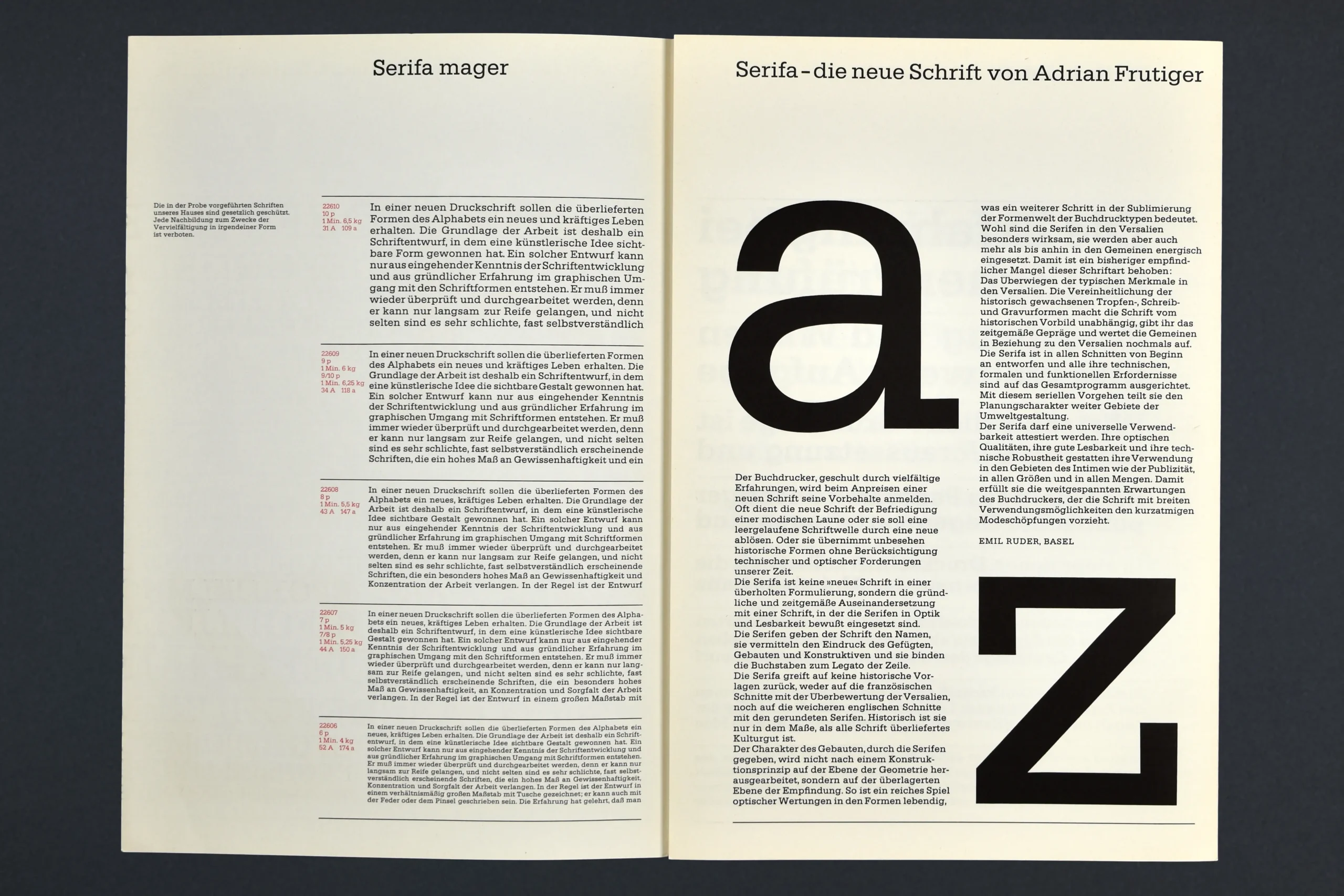
Serifa specimen by Adrian Frutiger
Designed by Frutiger Atelier (Bruno Pfäffli), 1968
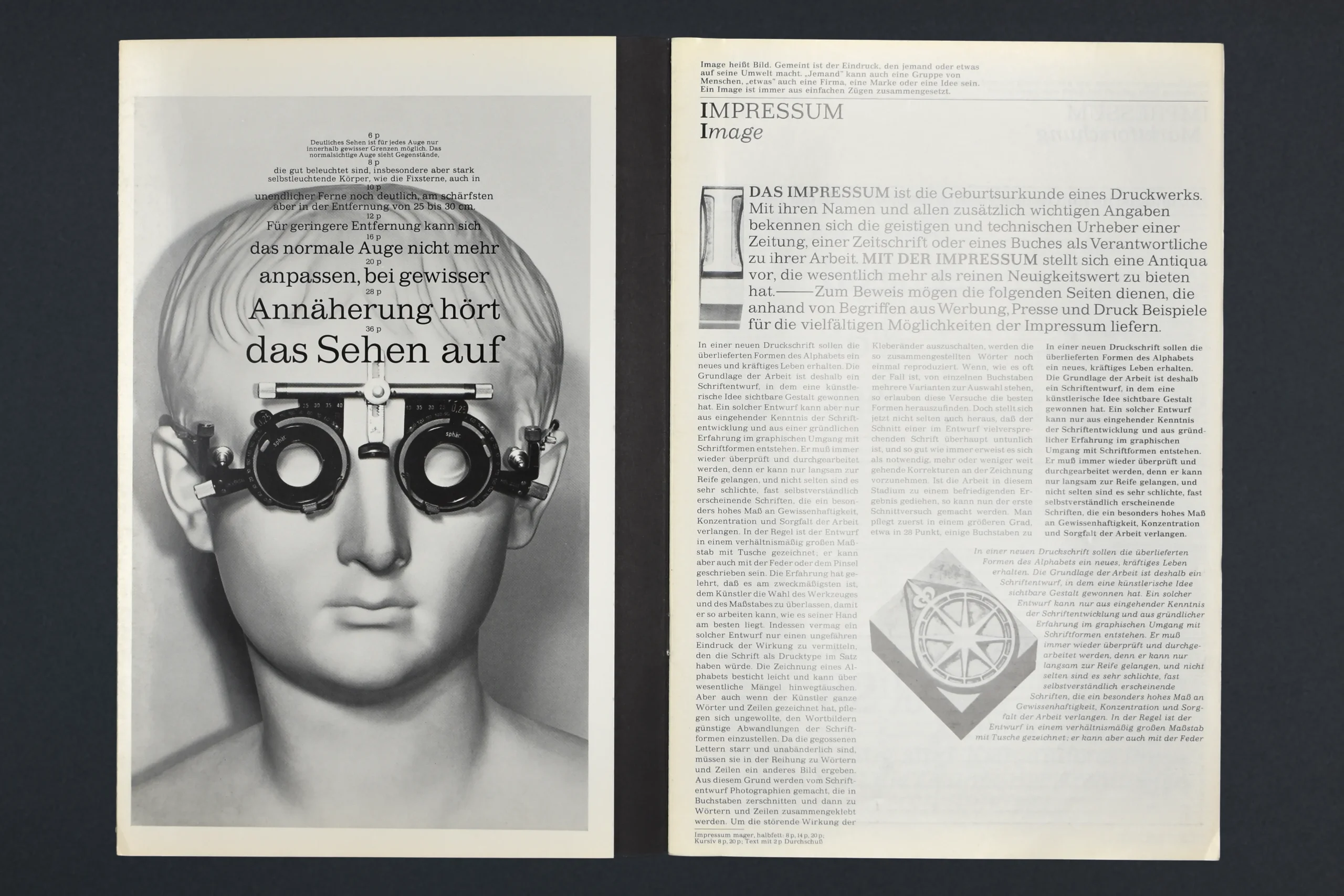
Impressum specimen spread
Konrad Bauer & Walter Baum, 1963
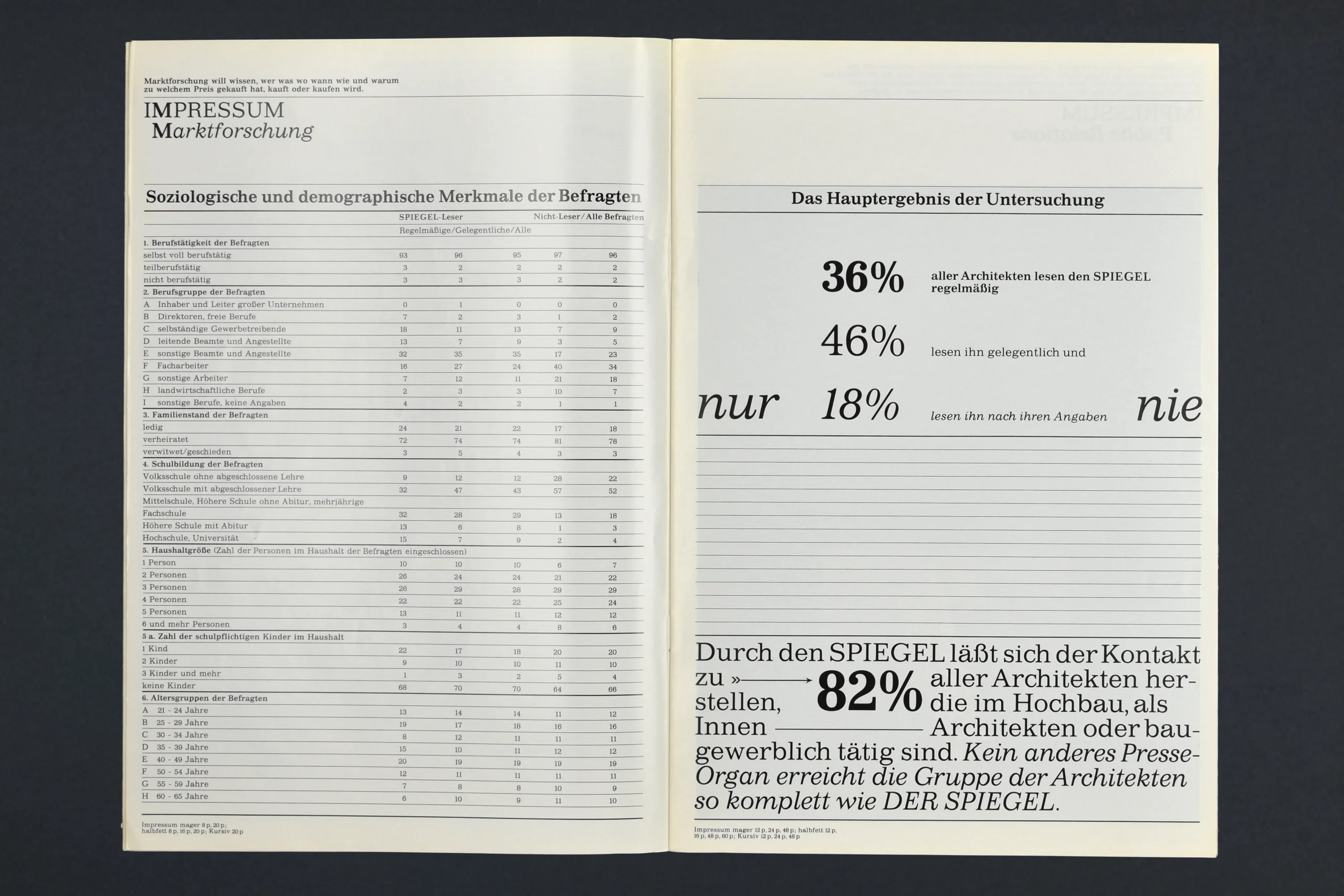
Impressum specimen spread
Konrad Bauer & Walter Baum, 1963
Vivian Hartmann

In 2000, Vivian Hartmann, a fourth-generation member of the family, joined Bauer Types with the aim of developing the distribution of digital typefaces in Spain. In this role, she represented some of the most relevant international type manufacturers in the industry, including Monotype, Linotype, FontBureau, FontShop, House Industries, Paratype, and TypeTogether.
After a period devoted to teaching, in 2022 she resumed leadership of the project with a renewed vision: to position Bauer Types as a national and international reference in the distribution and digitalisation of typefaces, grounded in excellence, technical guidance, and the highest quality standards across every aspect of typographic service. This purpose is driven together with a committed and highly professional team, with whom she shares the ambition of achieving the company’s strategic goals.
Her mission is clear: to renew the typographic legacy of the Bauersche Giesserei and Neufville, and to strengthen the value of typography within society and the contemporary world.
Thanks to her deep knowledge of the field, Vivian promotes typography as a strategic tool for identity, capable of providing precise solutions to the technical, visual, and linguistic needs of brands and institutions, across both physical and digital environments.
Currently, Bauer Types is in the process of updating its type catalogue, with new releases gradually emerging as the company’s digitalisation projects continue to evolve.
In January 2026, Neufville Digital, has been acquired by Bauer Types S.L., transferring the entire Neufville Digital catalogue into Bauer Types’ typographic library.
Subscribe to our newsletter to stay up to date with our news and latest updates.
All images from this section courtesy of the Bauer–Neufville Type Foundry Archive (University of Barcelona, UB). All rights reserved.


